


December 11 : 2025
Luke Gram
In these beautifully rendered images, muted tones and sharp lines create a landscape where functionality takes precedence over ornamentation. This focus on utility is where the beauty of the series lies. Luke Gram’s impactful work offers a rare glimpse into North Korea, allowing us to connect faces and places to a world largely closed off to the masses.
by Lily Fierman


Series: Humanity Within the Architecture of Control
Q:
Can you please tell us more about creating your winning series, “Humanity Within the Architecture of Control?"
A:
The series looks at the brief moments when individual expression surfaces inside a place defined almost entirely by restriction. I have always been drawn to the presence people carry within their environments, and in North Korea, that tension becomes very direct. You see human emotion, small gestures, pauses, and moments of awareness, but all of it is shaped by a system that tightly controls what people are allowed to see, say, or do.
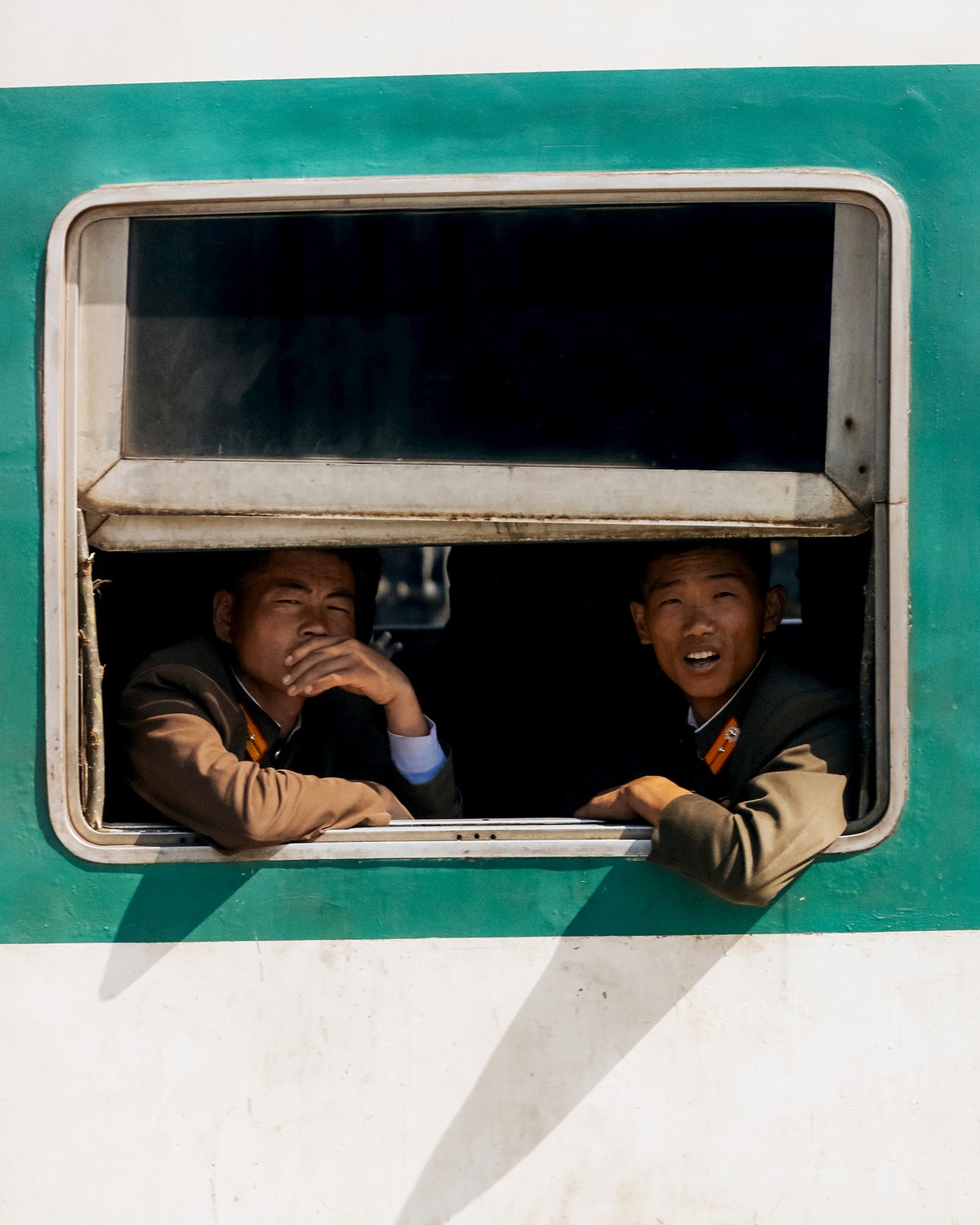
While creating the series, I spent most of my time observing and waiting, letting the environment dictate when the photograph "should" be taken. I looked for moments when people were unaware of the camera, when a gesture or expression appeared briefly before the state's expectations settled back in. Patience was the only real method available.


Series: Humanity Within the Architecture of Control
Q:
How did you gain access to North Korea? What led you there?
A:
Access is extremely limited, so entry is only possible through a small number of state-approved tour operators. I chose one that approaches the region with cultural knowledge and respect rather than promoting it as a spectacle. After submitting my passport and security information, I flew to Beijing, then to Pyongyang, on Air Koryo.
I had been reading about the country and its people for years. What drew me was not the politics but the human experience of living within such extremes. I wanted to see how people navigate their days inside that structure, and to understand what it feels like when the presence of the state is woven into every part of daily life.
Patience was the only real method available.

Series: Humanity Within the Architecture of Control
Q:
Did you have any idea of how you wanted these images to look and feel, or were you inspired once you got there?
A:
I tend to let the place dictate the work. Authenticity comes from responding to the atmosphere rather than imposing a visual plan. The DPRK complicates this because every space you see is curated by the state, citizens know how heavily they are watched, and the country is often photographed either as propaganda or as shock content. I wanted to avoid both.
As I moved through Pyongyang, Nampo, and Kaesong, I let the environment guide the images. I looked for honest moments that did not reinforce caricatures or exploit the restrictions people live under.
Q:
What do you wish people would know about the experience of spending time in North Korea?
A:
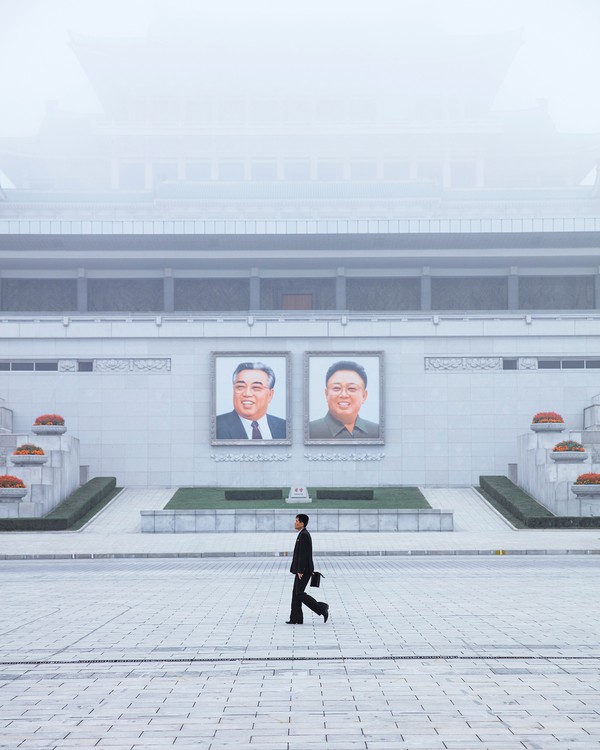
The presence of the state is constant. People know it is a surveillance society, but the sheer number of visual reminders, slogans, monuments, and guarded behaviour removes any sense of privacy. Even quiet moments carry that awareness.


Q:
Could you expand on any sensory elements you wish to share with people about this experience?
A:
The atmosphere is quiet, empty, and extremely orderly. Streets lack the organic movement you expect from cities elsewhere. Buildings and monuments dominate the landscape, while daily life feels subdued. Coal smog hangs in the air and mutes the scene even further. It is a place that feels physically present but strangely hollow.
Q:
What inspires you as a photographer?
A:
Discovering how human expression persists and varies across cultures, landscapes, and political realities. The differences can be striking, but the similarities are what keep me looking.


Q:
What are you working on next?
A:
I recently welcomed my first child into the world, so most of my attention is on documenting her early life and supporting my wife. Looking ahead, I am planning a series around the Durbar Festival i northern Nigeria, continuing my interest in portraiture shaped by place and tradition.
Q:
What photographers do you admire?
A:
Steve McCurry, Pie Aerts, Jody MacDonald, Joey L, Molly Steele, Shivam Pandey, Monaris, Trevor Cole, Forest Mankins, and Libkos. All are masters of their craft, whether working with events, people, or landscapes.
Q:
Do you have any behind the scenes stories or images to share?
A:
One of my favourite moments happened during a break in a guided afternoon walk through Pyongyangs quiet streets. My guide asked if I wanted to get local street food with her. I accepted, eager for the chance to enjoy two of the simplest, most joyful things people can do together, share food and talk. She asked with genuine curiosity what dating looks like in my country, how people meet, what a first date feels like, and how love begins.
It was a small conversation that made the day feel briefly normal. Just two people sharing food and talking about the most universal subject there is.
ARTIST

