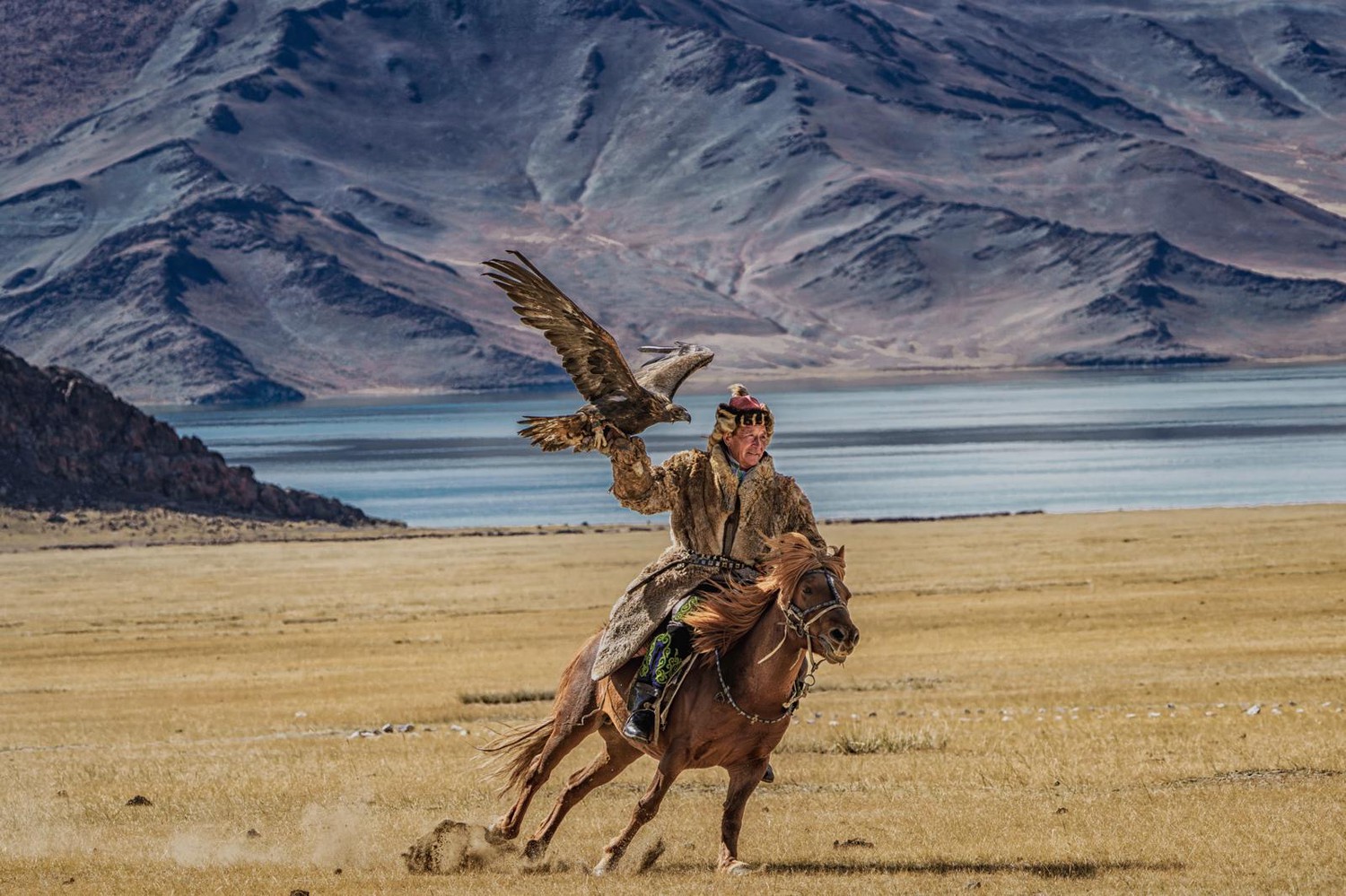
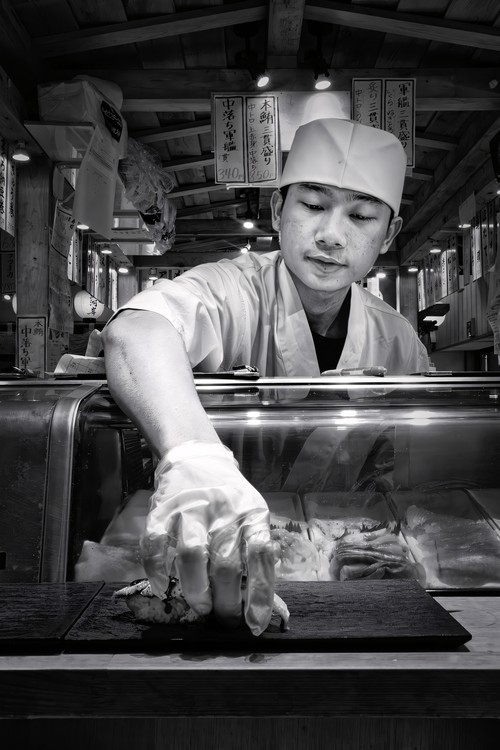
Mojgan Arashvand is a fine-art photographer whose work explores human dignity, cultural continuity, and the quiet intelligence of the natural world. Trained as a physician and practicing cardiologist in the United States, Arashvand brings a rare depth of observation, empathy, and discipline to her photographic practice. Her images—whether intimate portraits of individuals or contemplative studies of wildlife—are grounded in presence, respect, and a commitment to seeing beyond surface narratives.
Arashvand’s journey into photography did not follow a traditional artistic path. Long before she formally embraced the medium, she cultivated a sensitivity to detail, emotion, and human experience through years of medical training and practice. Medicine demanded precision, accountability, and an unwavering attention to life at its most vulnerable. Photography became a parallel language—one that allowed her to engage with the world beyond the clinical setting, yet with the same seriousness and ethical awareness.
Photography, for Arashvand, is not a departure from medicine but an extension of it. Both practices are rooted in observation, trust, and responsibility. Both require the practitioner to listen carefully and act with restraint. This dual identity shapes her work profoundly, giving rise to images that are neither exploitative nor detached, but quietly attentive and deeply human.
Artistic Vision and Approach
At the heart of Arashvand’s work is a philosophy of respect. She approaches each subject—human or animal—not as an object to be captured, but as a presence to be acknowledged. Her images are characterized by stillness, directness, and emotional clarity. She avoids theatrical excess, favoring natural light, environmental context, and unforced interaction.
Rather than pursuing spectacle, Arashvand seeks authenticity. Her photographs often depict moments of pause rather than action, intimacy rather than drama. Faces meet the viewer’s gaze without performance. Animals are portrayed not as symbols, but as sovereign beings within their own ecosystems. The resulting images feel timeless, resisting trends and visual noise in favor of quiet endurance.
Arashvand’s work is rooted in long-term engagement. She invests time in learning about the cultures, histories, and ethical boundaries of the communities she photographs. Trust is central to her process. Many of her most meaningful images emerge not from planned sessions, but from moments of shared understanding—conversations, silences, or mutual recognition.
Cultural portraiture forms a central pillar of Arashvand’s practice. Her portraits are deliberate in their simplicity, allowing the subject’s presence to take precedence over stylistic intervention. She often photographs individuals within their lived environments, using minimal props and unobtrusive techniques to preserve authenticity.
Her cultural work spans multiple regions and traditions, including pastoral and Indigenous communities in East Africa, artisans and workers in South Asia, and ceremonial life in Latin America. She has documented street life and labor in Bangladesh, festivals such as Día de los Muertos in Oaxaca, and traditional celebrations in Bolivia. These projects are united by a common intention: to honor individuals as they are, without reducing them to cultural symbols or narratives of otherness.
In each setting, Arashvand is attentive to power dynamics and representation. She seeks consent not only in form, but in spirit—ensuring that her subjects understand the purpose of the work and feel respected within it. Her portraits do not aim to explain or interpret culture for the viewer; instead, they invite viewers to encounter individuals on their own terms.
Alongside her cultural work, Arashvand maintains a deep and sustained engagement with wildlife photography. Her approach mirrors her portraiture: patient, observant, and emotionally attuned. She is drawn not only to iconic species, but to moments that reveal awareness, vulnerability, and quiet strength.
Her wildlife work includes extensive time spent photographing elephants in East Africa, particularly in Kenya’s Amboseli region. These images are notable for their sense of scale and intimacy, often juxtaposing human presence with the immense physical and emotional presence of elephants. Rather than emphasizing danger or dominance, her photographs convey coexistence and mutual respect.
For Arashvand, wildlife photography is inseparable from conservation. She does not seek to create didactic images, but she believes that sustained attention can foster responsibility. By portraying animals as sentient beings rather than visual spectacles, her work encourages viewers to reconsider their relationship with the environment.
Mojgan Arashvand’s long-term vision is to create a body of work that endures beyond trends and technology—a visual archive of cultures, individuals, and species at moments of truth.